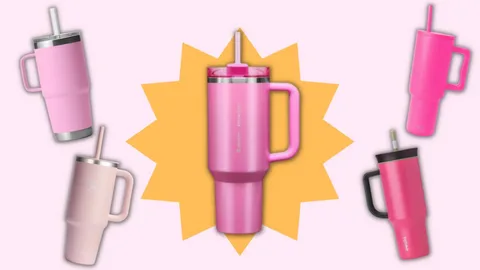
Picture this: lines snake around stores before dawn, all for a pink tumbler that holds your water. The Stanley Quencher in pink shades has exploded into a must-have item. It’s not just about staying hydrated anymore—it’s a badge of cool, a collector’s dream.
You might remember Stanley cups as those tough mugs for campers. Now, they’ve turned into trendy accessories that scream style. Women everywhere chase the latest pink drop, turning a simple drink holder into a social media star. This article breaks down why the pink Stanley cup has taken over. We’ll look at its appeal, the hype behind it, and tips to grab one for yourself.
The Anatomy of the Obsession: Why Pink Dominates Stanley Sales
Unpacking the Core Product Appeal (Beyond Color)
The Stanley Quencher works great for everyday use. It holds 40 ounces of your favorite drink, keeps it cold for hours, and fits right in your car cup holder. The built-in handle makes it easy to carry, and the straw lets you sip without spills.
People love how it lasts. Made from strong stainless steel, it handles bumps and drops. Before pink hit big, sales jumped 275% from 2019 to 2020, thanks to the Quencher line. That growth came from folks wanting reliable gear that looks good too.
It’s more than a bottle. You can toss ice in it for all-day chill, or use it for hot coffee without burns. No wonder it’s a top seller—practical perks draw people in first.
The Psychology of Scarcity and Color Theory
Limited drops create buzz. When Stanley releases a new pink like Rose Quartz, it sells out fast. That rush comes from fear of missing out—everyone wants what few can have.
Pink taps into fun feelings. It links to girl power, soft vibes, and even old-school charm from Barbie days. But with Stanley, pink flips to bold status. It’s like owning a rare sneaker; the color makes it collectible.
Shades like Ballet Slipper nod to fashion trends. They mix sweet looks with tough build. This combo pulls in buyers who see pink as fresh, not just cute.
The “It” Factor: Influencer Marketing and Organic Virality
TikTok changed everything for the pink Stanley cup. Videos show “unboxing” moments or matching outfits with the tumbler. Hashtags like #StanleyCupPink rack up millions of views.
Instagram feeds overflow with “Stanley girls” posing by pools, tumbler in hand. Influencers share hauls, sparking envy. One video of a mom hunting a sold-out pink went viral, coining “Stanley Mom.”
High-demand pinks like Cranberry or Lilac vanish in minutes. Stores report crowds, and resellers list them for double the price. Social media turns want into need, fast.
Marketing Masterclass: Stanley’s Strategic Color Deployment
Targeting the Female Consumer Demographic
Stanley used to sell to hunters and hikers. Now, they aim at women who want style in daily life. Pink tumblers fit that shift—perfect for moms, office workers, or gym goers.
Ads show real women using them at home or on the go. Sales data shows 75% of buyers are female. This focus boosts loyalty; fans wait for pink releases tied to seasons.
Think spring pastels or holiday pinks. It builds excitement. Stanley nails it by making hydration feel fun and feminine.
The Power of Exclusive Collaborations
Team-ups amp up the hype. Target’s exclusive pinks, like the soft blush edition, flew off shelves. Shoppers camped out for hours.
Influencer collabs drop custom shades. One with a lifestyle blogger sold 10,000 units in a day. Execs say these partnerships spike interest by 300%.
Business reports praise the strategy. Limited runs create talk, and pink variants lead the pack. It’s smart—rarity meets trend.
Avoiding Oversaturation: The Art of the “Drop”
Stanley controls stock on purpose. They announce drops, then limit quantities per store. This keeps pink Stanley cups feeling special.
Even restocks sell quick. Fans check apps daily for alerts. The method avoids floods; demand stays hot.
Result? Prices hold steady, and buzz grows. It’s like limited sneaker releases, but for drinks.
The Secondary Market Meltdown: Resale and Collectibility
Price Inflation and the “Flipping” Economy
A standard pink Stanley costs $45 at retail. Resellers jack it to $100 or more for rare ones. One Rose Quartz fetched $200 on eBay last spring.
Flippers buy bulk and list high. It frustrates regular buyers who just want to sip water. Yet, the markup shows the craze’s power.
Stories pop up of families saving for a “status” pink. It’s wild— a tumbler as investment.
Authenticity and Counterfeit Concerns
Fakes flood the market as values rise. Spot a real one by checking the logo’s crisp stamp and smooth seams. Genuine pinks have even color without bubbles.
Weigh it; fakes feel light. The bottom should say “Stanley” clearly. Buy from trusted sites to dodge scams.
If resale hunting, ask for close-up pics. Avoid deals too good to be true. Real ones last; knockoffs leak or rust quick.
Curating the Collection: Pink Enthusiasts
Some fans hunt every pink shade. One collector brags about 20 variants on TikTok, from pale to bold. They display them like art.
Clubs form online for swaps and tips. It’s dedication—pink becomes a hobby. These folks share care stories to keep colors vibrant.
Why stop at one? The thrill of completing a set hooks them.
Beyond the Hype: Practical Tips for Securing Your Pink Stanley
Insider Tips for Purchasing at Retail
Time drops right. Stanley posts schedules on social; hit stores at open. Use apps like Target’s for in-stock alerts.
Limit one per customer helps fair play. Arrive early, or shop online at midnight launches. Join newsletters for first dibs.
Patience pays. Restocks happen weekly—check often.
Navigating the Resale Market Safely
Pick platforms like eBay with buyer protection. Look at seller ratings over 99%, with many sales. Read feedback for pink-specific gripes.
Pay via PayPal for refunds if needed. Demand photos from all angles, including inside. Verify the model number matches official pics.
Steer clear of untraceable spots. It’s safer, even at higher cost.
- Check for original packaging.
- Confirm no dents or scratches.
- Ask about purchase proof.
Long-Term Care for Your Investment
Clean with mild soap and a soft brush. Avoid harsh scrubbers that chip pink coating. Dishwasher safe, but hand wash for best results.
Dry fully to stop spots. Store away from sun; UV fades color. Use a sleeve for protection on the go.
With care, your pink Stanley lasts years. It stays pretty and functional.
Conclusion: Pink Stanley – A Case Study in Modern Desire
The pink Stanley cup blends top-notch design with smart scarcity. Marketing taps into social trends, making it viral gold. Pink’s charm, plus real utility, fuels the fire.
Will this last? Or fade like old fads? Stanley’s approach might reshape how we chase accessories. One thing’s sure: the pink tumbler marks a shift in what we crave.
Grab yours now—join the pink wave before the next drop. Stay hydrated, stay stylish. What’s your favorite shade?

Related Posts