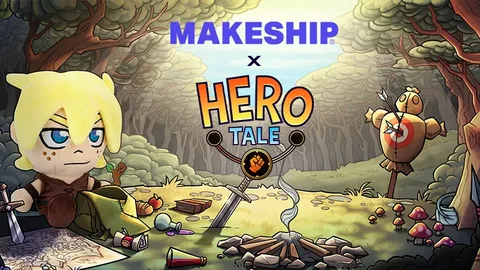
Imagine spotting a plush version of your favorite streamer’s mascot on your shelf. It feels personal, like a high-five from the creator. Makeship turns that dream into reality for fans and artists alike.
This platform shakes up how creators connect with their audience. In a time when fans crave more than just videos or streams, personalized merch builds stronger bonds. Think about the boom in creator economies—sales of fan gear hit billions last year. Makeship fits right in by offering low-risk ways to launch unique items.
You’ll learn how this setup works from start to finish. We cover the business side, creator perks, and what buyers need to know. By the end, you’ll see why Makeship plush toys and other collectibles matter so much.
What is Makeship? Understanding the Platform Model
Makeship is a hub for creators to sell custom plush toys and merch without the usual headaches. It runs on a crowdfunding style that keeps things fresh and exclusive. Fans back projects they love, and only winners get made.
The model cuts out big upfront costs for everyone. Creators pitch ideas, fans vote with their wallets, and production kicks off if goals hit. This keeps shelves free of unsold stock and boosts excitement around each drop.
Over time, Makeship has grown into a go-to spot for limited-edition fan items. It focuses on quality over quantity, drawing in gamers, artists, and streamers. If you’re into creator-driven merchandise, this platform changes the game.
The Crowdfunding Mechanism: No Upfront Inventory Risk
Crowdfunding lies at Makeship’s heart. Creators set a funding goal and a time limit, say 30 days. If enough fans buy in to meet that minimum order quantity, or MOQ, the plush goes into production.
No goal met? No problem—the project stops, and backers get refunds. This setup shields creators from financial flops. Fans feel safe too, since they only pay if the item ships.
Picture it like a group adventure. Everyone chips in, and the reward only arrives if the team succeeds. Makeship handles the tech, so creators focus on hype.
Focus on Exclusivity and Scarcity
Limited runs make Makeship items special. Once a campaign ends, production stops—no endless reprints. This scarcity pushes quick buys and builds buzz.
Fans rush to grab pieces before they vanish. It mirrors rare sneaker drops or concert tickets. Creators see sales spike in those short windows, often doubling normal merch income.
The strategy works because people love owning something unique. A Makeship plush isn’t just a toy; it’s a badge of fandom. That thrill keeps the platform thriving.
Partnership Vetting: Who Gets Featured?
Makeship picks partners carefully. They eye creators with solid followings, like Twitch streamers or YouTube stars. Artists and indie devs join too, as long as the idea fits their brand.
The team checks for active communities and fresh concepts. No huge celebs needed—just genuine fan bases. This keeps campaigns authentic and successful.
Think of it as a talent scout picking rising stars. Past partners include folks like Pokimane or indie game makers. If you’re a creator, a strong online presence helps your pitch land.
The Makeship Process: Bringing a Creator Concept to Life
Turning a sketch into a huggable plush takes steps, but Makeship simplifies it. Creators share ideas, the team refines them, and fans bring it home. This flow ensures every item feels true to the source.
From brainstorm to box, the journey builds trust. Fans watch progress, creators stay involved, and quality shines through. Let’s break it down so you grasp the magic.
Design and Prototyping Stages
It starts with a creator’s vision. They send rough drawings or descriptions to Makeship’s designers. The team tweaks for appeal, like adding cute details to match the character’s vibe.
IP matters here—creators own their stuff, so everything aligns legally. Prototypes come next, often as digital mocks or small samples. Feedback loops fix issues early.
You might see teasers on social media during this phase. It pulls fans in and refines the final look. The result? A plush that captures the essence perfectly.
Manufacturing and Quality Control Standards
Once funded, production ramps up. Makeship works with factories that use safe materials, like soft polyester fills. They follow rules such as ASTM standards for kid-safe toys.
Quality checks happen at every step—stitching, colors, even stuffing density. Ethical practices count too; partners avoid sweatshops. This keeps items durable and fun.
Fans get peace of mind knowing their buy supports good standards. No cheap knockoffs here. The focus on details makes Makeship plush stand out in a crowded market.
Fulfillment and Global Shipping Logistics
After making, orders batch up for efficiency. Makeship packs and ships worldwide from hubs in Asia or the US. Expect updates via email on progress.
Turnaround often takes 3 to 6 months post-campaign. Delays happen with customs or high volumes, but tracking helps. Free shipping perks sweeten deals for backers.
Global reach means fans in Europe or Australia get their fix. It’s not instant like Amazon, but the wait builds anticipation. Smooth logistics keep satisfaction high.
The Business Impact: Why Creators Choose Makeship
Creators flock to Makeship for smart money moves and fan love. It beats handling prints or storage yourself. Revenue flows without the grind of daily sales.
This platform turns passion projects into profit centers. Communities grow tighter through shared excitement. Let’s see the real wins.
Revenue Sharing and Financial Incentives
Makeship splits sales fairly—creators often pocket 20-30% royalties after costs. Exact terms vary, but it’s public knowledge from creator shares. Compare that to self-made merch, where you eat shipping losses.
No inventory means zero waste. A hit campaign can net thousands, like one that pulled in over $100,000. Creators reinvest in content, fueling their channels.
It’s a win-win. Fans fund what they want, creators cash in on hype. This model scales with audience size.
Leveraging Community Hype and Engagement
Campaigns become events. Creators tease drops on streams, sparking chats and shares. Viewers join live updates, boosting watch time.
Use countdowns to amp urgency—post daily recaps or stretch goals for bonuses. It turns passive fans into active buyers. One streamer saw subs jump 15% during a Makeship run.
This engagement sticks around. Post-launch, the plush reminds fans of the fun. Creators build loyalty that lasts.
Real-World Success Stories in Creator Commerce
Take Dream’s Minecraft plush line. It smashed goals, selling out in days and raking in six figures. Fans snapped up the green avatar for its charm.
Or Corpse Husband’s spooky designs—his campaign hit $200,000 fast, proving voice talent translates to merch magic. Indie artist campaigns, like those from VTubers, often clear $50,000 too.
These wins show Makeship’s power. Creators gain visibility; fans get treasures. Stories like these inspire new partnerships.
Navigating the Customer Experience: Buying, Waiting, and Receiving
Buying on Makeship feels straightforward, but the wait tests patience. Clear info helps avoid surprises. From pledge to porch, here’s what to expect.
Transparency builds trust. Common hiccups, like address changes, have fixes. Dive in to shop smarter.
Managing Expectations: The Waiting Period Reality Check
Campaigns run 2-4 weeks, then production adds months. Total time from pledge to delivery? Often 4-6 months. It’s due to custom making—no off-the-shelf stock.
Track progress on the Makeship dashboard. Emails flag delays from holidays or supply snags. Patience pays off with a one-of-a-kind item.
Why the lag? Batch production saves costs, keeping prices fair. Think of it as crafting art, not churning widgets. Fans who get it rave about the end result.
Troubleshooting Orders and Customer Support
Need to update your address? Log in before shipping starts—changes cost extra later. For issues like damaged goods, snap photos and email support within 30 days.
The team responds quick, often in 48 hours. Refunds or replacements handle defects. FAQs cover most bases, from sizing to tracking.
Pro tip: Double-check details at pledge time. Support shines for globals, tackling duties too. It smooths the ride.
Secondary Markets and Resale Value Dynamics
Sold-out Makeship items pop up on eBay or Discord. Rarity jacks prices—some plush double in value months later. Collectors hunt these gems.
It’s like trading cards; scarcity drives demand. Fans flip for profit, but most keep for sentiment. Check authenticity to avoid fakes.
This market adds thrill. Your buy could appreciate, turning fandom into a side win.
Conclusion: The Future of Fan Collectibles in the Creator Economy
Makeship bridges creators and fans with exclusive plush and merch that feels alive. It cuts risks, amps exclusivity, and grows communities. As creator economies expand, expect more innovations like apparel lines or figures.
The platform proves low-barrier tools change everything. Fans get joy; creators get freedom. What’s next? Broader categories to match rising demands.
Key Takeaways for Creators and Consumers
- Crowdfunding magic: Back or launch without upfront cash—success only if goals hit.
- Exclusivity rules: Limited runs create buzz and value that lasts.
- Process perks: From design to delivery, collaboration ensures quality and fun.
- Business boost: Royalties and engagement turn campaigns into real revenue streams.
- Buyer smarts: Plan for waits, use support wisely, and enjoy the collectible payoff.
Ready to dive in? Check out a Makeship campaign today. Your next favorite plush awaits.

Related Posts