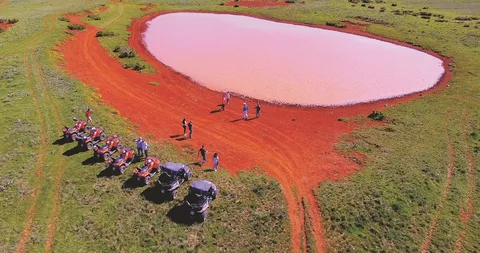
Imagine staring at a vast empty basin where a vibrant lake once shimmered under the sun. That’s what hit locals hard in the summer of 2020 near Labelle, Quebec, when Lac Rouge drained overnight. This small but cherished body of water, known for its reddish hue from iron-rich sediments, had been a hub for fishing, boating, and wildlife for decades.
The sudden loss left folks stunned. It sparked questions about hidden dangers in our lakes and rivers. In this piece, we’ll break down what caused the Lac Rouge drained event, its ripple effects on nature and people, and key steps to avoid repeats. Think of it as a real-world alert on how fragile our water spots can be.
Locating the Crisis: Contextualizing Lac Rouge
Geographic Significance and Historical Water Levels
Lac Rouge sits in the Laurentian Mountains of Quebec, Canada, about 130 kilometers north of Montreal. It covers roughly 1.5 square kilometers at full capacity, with depths hitting up to 10 meters in spots. For years, it fed nearby streams and supported a mix of fish like trout and perch, plus plants that thrived in its clear waters.
This lake played a big role in the local water cycle. It recharged groundwater for farms and homes around it. Historical records show steady levels since the 1900s, making its drain a total shock.
The Precursor Conditions Leading to Drainage
Dry spells gripped the region in early 2020, with less rain than usual over months. That cut inflows from streams feeding the lake. High summer heat sped up evaporation, dropping levels faster than normal.
Experts point to these as warning signs. The ground around Lac Rouge, full of limestone, already hinted at risks from underground shifts. Still, no one saw the full drain coming so quick.
Documenting the Event: Eyewitness Accounts and Initial Media Coverage
A boater first spotted the drop on July 25, 2020, as water vanished into what looked like a giant hole. Social media blew up with photos of boats stuck on mud. Local news outlets like CBC and Le Droit rushed in, calling it a “mystery drain.”
Residents described panic as fish flopped on drying shores. Officials from Quebec’s environment ministry arrived fast to probe. Those early reports set off wider talks on lake safety.
Unraveling the Causes: Technical and Environmental Factors
Geological and Subsurface Investigation Findings
The main culprit? A hidden sinkhole under the lake bed. Quebec geologists found a 30-meter-wide cavern that collapsed, sucking water down like a bathtub plug pulled out. Karst terrain—rocky ground with caves—made this spot prone to such fails.
Surveys after the fact used sonar and drills to map the void. It linked to older underground channels from glacial times. This Lac Rouge drained case shows how fast nature can shift below us.
The Role of Upstream Water Management and Usage
Human hands played a part too. Nearby logging and small dams altered flows into the lake over years. In 2020, low regional water rules let some pull more from streams without checks.
Poor upkeep on old canals added stress. It didn’t cause the hole, but it left the lake low enough for the drain to hit hard. Better oversight could have softened the blow.
Climate Change Influence on Hydrological Instability
Warmer temps in Quebec have messed with rain patterns. Drier summers mean less refill for lakes like this one. Experts from Environment Canada link these shifts to bigger swings in water levels.
Think of it as a tipping point—climate stress plus a weak spot equals disaster. The Lac Rouge event warns how global warming amps up local risks. We can’t ignore these ties anymore.
Immediate Ecological Fallout: The Silent Catastrophe
Mass Mortality and Impact on Aquatic Life
Fish died by the thousands as oxygen fled the shrinking water. Trout and bass, key to the lake’s life, suffocated on exposed mud. Reports estimate over 80% of aquatic species wiped out in days.
Amphibians like frogs hopped away, but many didn’t make it. Invertebrates in the mud faced total wipeout. This chain reaction hurt the whole underwater world fast.
Avian Migration Patterns and Habitat Loss
Birds that stopped at Lac Rouge for rest lost their pit stop. Ducks and herons, used to fishing here, scattered to stressed spots nearby. Nesting pairs dropped by half that season, per bird watcher logs.
The food web cracked—fewer bugs and fish meant hungry birds. Migration routes shifted, adding miles to their trips. It’s a reminder how one lake ties into big sky paths.
Sediment Exposure and Air Quality Concerns
Dry lake bed kicked up dust clouds on windy days. Fine silt from years of buildup blew into homes and lungs. Tests found traces of old metals stirred up, raising health flags.
Air got hazy, cutting visibility and irking outdoor fans. Quick fences helped a bit, but the mess lingered. Exposed sediments show how hidden lake floors hold surprises.
Socio-Economic Repercussions and Community Response
Impact on Local Industries and Livelihoods
Tourism tanked—cabins by the lake sat empty that summer. Fishing guides lost gigs, with annual catches down 90%. Small farms nearby saw groundwater dip, hitting crop yields.
The hit to the economy? Around $500,000 in direct losses, say local chambers. Folks who ran boat rentals scrambled for new plans. It showed how tied livelihoods are to steady water.
- Lost tourism revenue from empty docks
- Crop failures from low recharge
- Job cuts in recreation sectors
Public Health and Water Security Challenges
Drinking wells pulled from lake-fed aquifers ran low. Towns issued boil-water alerts for weeks. Dust from the bed sparked coughs and eye issues in kids.
Health teams handed out masks and tips. No major outbreaks, but trust in water sources shook. This drained lake underlined backup needs for safe supply.
Community Mobilization and Advocacy Efforts
Locals formed groups like “Save Our Lakes” right after. They pushed for probes and funds at town halls. NGOs such as the David Suzuki Foundation joined, filing reports to Ottawa.
Petitions gathered 5,000 signatures in a month. It led to faster aid and talks on rules. Grassroots fire showed community power in eco fights.
Recovery Strategies and Lessons for Future Resilience
Short-Term Remediation and Refilling Attempts
Crews pumped in water from rivers nearby to ease the pain. Barriers blocked the sinkhole mouth, slowing more loss. By fall 2020, levels rose 20%, but fish restocks waited.
These fixes bought time, yet storms washed out some gains. It proved quick action matters, even if not perfect.
Long-Term Ecological Restoration Planning
Plans now focus on planting reeds to hold soil. Experts aim to reintroduce native fish over years, tracking with tags. Sediment caps cover toxins, aiding clean regrowth.
Monitoring tech like sensors watch levels daily. The goal? A balanced habitat by 2030. This blueprint draws from other drained sites worldwide.
Actionable Tips for Water Body Managers: Preventing Recurrence
Check underground risks with yearly scans. Set up rain gauges to spot dry trends early.
Build drought plans, like water banks for shares. Train locals on signs of trouble, from cracks to odd drops.
- Map karst zones near lakes.
- Limit upstream pulls in hot spells.
- Partner with groups for quick response teams.
These steps from Lac Rouge can shield other spots.
A Warning Etched in Dry Earth
The Lac Rouge drained event blends nature’s tricks with our oversights—sinkholes meet climate shifts and lax care. It crushed wildlife, shook jobs, and tested health, but sparked smart fixes. From mass fish deaths to community pushes, the story screams for better watch.
We see a clear call: Guard lakes like treasures with steady eyes and plans. Dive into local water groups or push for checks in your area. Act now, or more dry beds may follow. What will you do to keep waters flowing?

Related Posts