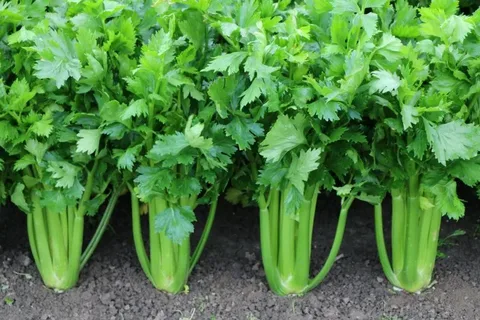
Imagine digging up a knobby root that packs more punch than the familiar celery sticks in your fridge. That’s celeriac, often called “pravi celer” in Croatian for its authentic, hearty form. This underground gem from the celery family deserves a spot in your meals for its crisp texture and hidden superpowers.
While most folks grab celery stalks for snacks, celeriac focuses on the root. It’s a bulbous veggie with a mild, celery-like flavor but way more versatility. Native to Europe, it boosts your health and adds flair to dishes. Let’s explore why this root should head your shopping list.
Botanical Basics and How It Differs from Other Celery Types
The Scientific Name and Origins of Celeriac Root
Celeriac goes by the name Apium graveolens var. rapaceum. Breeders shaped it over centuries to grow a big, edible bulb instead of tall stalks. It hails from central Europe, where cool climates helped it thrive.
Farmers first cultivated it around the 16th century. Today, it grows worldwide but shines in places like France and Croatia. “Pravi celer” highlights its true root form, separate from the leafy versions we know.
This variety stores energy in its swollen base. That makes it a staple in fall and winter gardens.
Key Differences: Root, Stalk, and Seeds
Celeriac stands out from regular celery in looks and nutrition. The root has a rough, brown skin hiding white flesh. Stalks are long, green, and watery.
Here’s a quick comparison:
- Nutrition Profile: Celeriac root offers more starch and fiber—about 9 grams of carbs per cup—while stalks have just 3 grams and loads of water (95%). Roots pack 2.5 grams of fiber, aiding digestion better than stalks’ 1.6 grams.
- Texture and Taste: Roots feel firm and nutty, perfect for roasting. Stalks crunch with a fresh bite but turn limp when cooked. Seeds add spice but lack the bulk.
- Uses: Roots shine in hearty soups; stalks fit salads.
These traits make celeriac a low-cal choice at 42 calories per cup versus stalks’ 16, but with deeper flavor.
Seeds from the plant serve as a herb, but the root steals the show for everyday eats.
Growing and Harvest Season Tips
Celeriac loves cool weather and takes 120 to 150 days to mature. Plant seeds in spring for a fall harvest. It needs rich soil and steady moisture—no dry spells.
This root handles light frost, making it a winter champ. Harvest when bulbs reach 3 to 4 inches wide. In zones 5 to 9, sow indoors early.
Home gardeners, start with transplants to speed things up. It stores well, so you can enjoy it past the season.
Nutritional Breakdown and Proven Health Perks of Celeriac
A Wealth of Vitamins and Minerals
Celeriac bursts with key nutrients. One cup delivers over 30% of your daily vitamin K needs, crucial for blood clotting and bone strength. It also has vitamin C for immune support—about 15% per serving.
Antioxidants like polyacetylenes fight cell damage. Phosphorus and manganese add up to 10% of daily values, helping energy and metabolism.
Studies show these compounds may lower inflammation. A medium root provides 100 micrograms of vitamin K, beating many greens.
Boosting Digestion and Managing Weight
Fiber in celeriac keeps your gut happy. Soluble types feed good bacteria, while insoluble ones add bulk to stools. Aim for the 2 grams per cup to ease constipation.
Its low energy density—42 calories—fills you up without extra pounds. Research links high-fiber roots to better weight control; one study found veggie eaters lost more fat.
Pair it with meals for steady blood sugar. That steady feel curbs overeating.
Fighting Inflammation and Supporting Bones
Celeriac’s compounds tame swelling in the body. Polyacetylenes act like mild pain relievers, per lab tests. This could help with arthritis or daily aches.
For bones, magnesium and phosphorus team up with vitamin K. They build density and prevent breaks. Women post-menopause might benefit most, as one trial showed root veggies cut fracture risk by 20%.
Add it to your plate for long-term joint and skeleton care.
Culinary Wonders: Ways to Use Celeriac in Your Kitchen
Prepping and Cleaning the Bulb
Start by picking a firm celeriac with no soft spots. Rinse under cool water. Use a sharp knife to cut off the top and bottom for stability.
Peel the tough outer skin with a veggie peeler. It might take a few passes. To stop browning, soak slices in lemon water right after cutting—acid keeps it white.
Dry pieces before cooking. This simple prep unlocks its mild, earthy taste.
Basic Cooking Methods: Boiling, Roasting, and Eating Raw
Boil chunks for 15 to 20 minutes until tender. Mash them into a creamy side, like potatoes but lighter.
Roast at 400°F for 30 minutes. Toss with oil and herbs for caramelized edges that bring out sweetness.
Raw, grate it for salads. Its crunch pairs with apples or nuts. Dress lightly to highlight the fresh flavor.
Choose raw for quick bites; cooked for warmth in soups.
Classic and Modern Recipes
In European kitchens, try celeriac remoulade—a French salad with grated root, mayo, mustard, and capers. It’s tangy and crisp, ready in 10 minutes.
From the Balkans, simmer it in a stew with carrots and beef. Slow cook for hours to blend flavors.
For modern twists, make celeriac fries: cut into sticks, bake until golden. Keto fans love this low-carb swap for potatoes.
Experiment with purees or risottos. One viral recipe mixes it with cheese for a cozy gratin.
Unique Uses and Market Appeal of Celeriac Root
Celeriac Juice and Detox Routines
Juice from celeriac gains buzz for cleanses. Fans claim it flushes toxins and hydrates. But clinical studies are slim—mostly on celery stalks, not roots.
One small trial noted better hydration from root blends, but detox claims lack strong proof. Drink it fresh for electrolytes, not miracles.
Mix with apple for a tasty start to your day. Keep portions small to avoid tummy upset.
Celeriac as a Starch Swap in Low-Carb Diets
Low-carb eaters swap potatoes for celeriac. Its 9 grams of carbs per cup beat spuds’ 26. Grate and rice it for pilafs or mash for “fauxtatoes.”
Try celeriac noodles—spiralize and sauté. This fits keto meals under 5 net carbs per serving.
Bakers even use it in flatbreads. Its neutral taste adapts easy, drawing in health crowds.
Storage and Keeping It Fresh
Store whole celeriac in the fridge’s crisper at 32°F with some humidity. Wrap in a damp cloth to last 2 to 3 months.
For longer, cure in a cool cellar. Check weekly for mold; trim bad spots.
Freeze peeled cubes after blanching—they hold up in soups for six months.
Conclusion: Rediscover the Root of Wellness
Celeriac, or pravi celer, brings big wins in nutrition and flavor. Its vitamins, fiber, and anti-inflammatory perks support digestion, weight goals, and strong bones. From raw salads to roasted sides, it fits any meal.
Don’t overlook this root next grocery run. Grab one and try a simple recipe. Your body and taste buds will thank you—start weaving celeriac into daily eats for real health gains.

Related Posts