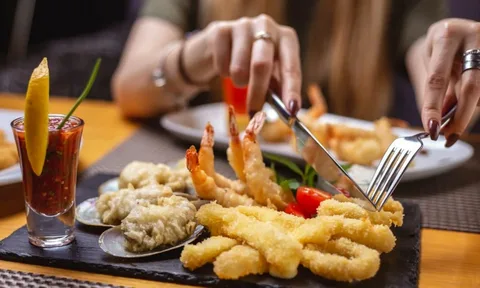
Imagine biting into golden, crispy rings that give way to a soft, tender center. The sea’s fresh taste bursts out with every chew. This is calamari done right—not some chewy side dish, but a star on your plate.
Calamariere is the skill of cooking squid in the Mediterranean way. It comes from Italian and Greek shores, where folks have turned simple squid into feasts for years. Think fried treats in Sicily or grilled bites in Athens.
In this guide, you’ll learn key steps, traps to dodge, and pro tips. You’ll go from kitchen newbie to expert. Get set to make squid that wows your family and friends.
The Anatomy of Excellent Calamari: Selection and Preparation
Fresh squid makes all the difference in your dish. You want it to taste clean, not strong. Start here to build a solid base for your calamariere skills.
Sourcing the Best Squid
Look for squid that’s fresh from the sea. The body should feel firm, not slimy. Eyes stay clear and bright— no cloudiness.
Smell it too. It must have a mild ocean scent, like clean saltwater. Avoid any fishy odor that screams old catch.
Top picks include market squid or longfin types. They cook up tender and hold flavors well. In the US, find them at fish markets or stores like Whole Foods.
Fresh beats frozen most days. But frozen works if you thaw it right. Put it in the fridge overnight. Never use hot water—it makes the texture mushy.
Pat it dry after thawing. This stops extra water from steaming it later. Your calamari stays crisp.
Cleaning and Trimming Techniques
Grab the squid body first. Pull out the clear quill inside—like a plastic bone. It snaps out easy.
Cut off the beak at the base of the tentacles. It’s that hard, round bit. Snip it clean to avoid gritty bites.
Peel off the skin next. It slips right off under cool water. Rinse everything well inside and out.
For rings, slice the tube into half-inch pieces. Keep tentacles whole for a fun look. Smaller cuts fry faster and stay tender.
If grilling, leave tubes whole. Stuff them with herbs and rice. Cut size matters—too thick, and it turns tough.
Dry the pieces with paper towels. This helps coatings stick. Now your squid is ready for the next step.
Decoding the Frying Phenomenon: Achieving the Perfect Crunch
Frying calamari is the heart of many recipes. But get it wrong, and it’s rubber city. Let’s break down how to nail that crunch.
The Science of Tenderness: Why Calamari Gets Rubbery
Squid has tough collagen in its muscles. Heat changes it fast. Cook too long in mid-heat, and it shrinks tight.
Stay out of the 140 to 160°F zone. That’s where it gets chewy. Go hot and quick, or low and slow instead.
Fry at high temps for seconds. Or simmer for an hour. This keeps the bite soft.
Chill your cut squid in the fridge for 30 minutes before frying. It firms up the proteins. The batter grabs on better.
This quick chill also speeds the cook time. No rubber—just pure delight.
Batter and Breading Mastery
Start simple with flour. Dust the squid lightly. Shake off extras for even coverage.
Try tempura batter for lightness. Mix cold water, flour, and an egg. It puffs up in the oil.
Panko breadcrumbs add extra crunch. Mix with flour and salt. Press squid into it firm.
Add cornstarch to any mix. It makes the crust airy. Rice flour works too for gluten-free folks.
In Italian spots like those in Naples, chefs swear by semolina flour. It gives a golden, nutty edge. Test a few to find your fave.
Dip and coat in one go. Double layers can weigh it down.
Oil Temperature and Frying Execution
Heat oil to 375°F. Use a thermometer—don’t guess. Peanut or canola oil holds heat well.
Fill your pot deep— at least three inches. This keeps temps steady.
Fry in small batches. Add too much, and the oil drops fast. You’ll end up with oily blobs.
Cook rings for 1-2 minutes till golden. Tentacles take a bit longer. Drain on racks, not paper.
Test one piece first. If it sizzles hard, you’re good. Adjust heat as needed.
Beyond the Fryer: Alternative Calamari Cooking Methods
Fried is fun, but other ways shine too. Switch it up for new tastes. Explore these for your calamariere toolkit.
Grilling Calamari: The Smoky Mediterranean Approach
Score the squid tubes lightly. This lets marinade soak in deep. Use thicker cuts or whole ones.
Marinate in lemon juice, olive oil, garlic, and oregano. Let it sit 30 minutes. The acid softens the flesh.
Grill hot—over direct flame. Turn often for even char. Cook just till opaque, about 2 minutes per side.
In Greece, they call it kalamarakia sta karvouna. Serve with tzatziki on the side. The smoke adds that beach vibe.
Brush with oil mid-grill. It prevents sticking. Now you’ve got juicy, smoky rings.
Braising and Stewing Calamari (Calamari in Umido)
Cut squid into chunks for stews. Brown it first in a pot. This builds flavor.
Add tomatoes, onions, and white wine. Simmer low for 45 minutes. The collagen melts into silk.
Saffron or fennel lifts the taste. In Italian homes, they add chili for heat. It’s comfort in a bowl.
Stir now and then. Taste and tweak salt. Serve over pasta for a full meal.
This slow method turns tough squid tender. Perfect for rainy days.
The Finishing Touches: Seasoning and Serving
Great calamari needs smart finishes. Season right, pair well. Elevate your dish to pro level.
Post-Frying Seasoning Strategy
Salt hits the spot right after draining. Wait, and it won’t stick—moisture pushes it off.
Toss pieces in a big bowl. Sprinkle salt even. A pinch of pepper or herbs jazz it up.
For big batches, work fast. Use clean hands to mix. Taste one to check.
Fresh herbs like parsley add green pop. Squeeze lemon over top. It brightens everything.
Do this while hot. The flavors lock in deep.
Essential Accompaniments and Sauces
Lemon wedges are a must. Their tang cuts the richness. Squeeze fresh—bottled won’t do.
Make aioli with garlic and mayo. Stir in smoked paprika for seafood twist. Creamy and bold.
Try spicy arrabbiata sauce in southern Italy. It’s tomato with red pepper flakes. Dip away.
Greek style? Herb pesto with basil and pine nuts. Light and fresh.
Mix sauces for fun. Offer choices at your table.
Common Calamari Cooking Mistakes and Troubleshooting
Even pros slip up. Spot these issues early. Fix them to save your meal.
Addressing Texture Issues
Tough calamari? You likely cooked past time. Or hit that mid-temp zone.
Soggy coats mean low oil heat. Or too much water in the squid. Dry better next round.
Chef Mario Batali once said, “Heat is your friend, but control it close.” Keep an eye on the clock.
If overdone, chop fine for stew. Turn mistake into win.
Batch small. Watch the oil drop.
Flavor Profile Pitfalls
Fishy taste points to old squid. Or poor clean. Rinse under cold water twice.
Boost with acid. Lemon or vinegar in marinade clears the palate.
Under-season? Hit it post-cook. Salt draws out natural sweetness.
Test freshness by touch. Firm means good.
Bright flavors mask small flaws. Always add zest.
Conclusion: Your Calamari Mastery Roadmap
Cook squid hot and fast, or low and slow. No shortcuts there. It’s the golden rule of calamariere.
Start with fresh, clean squid. That’s your base for every method.
Try grilling or braising next time. Build your skills step by step.
Grab some squid this weekend. Fry up a batch. You’ll taste the Mediterranean at home.

Related Posts