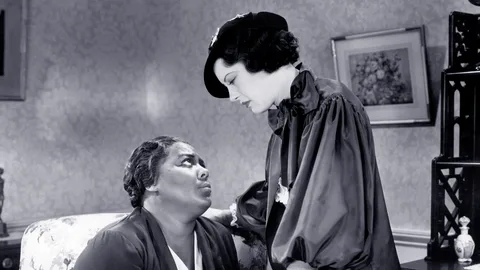
Imagine a film that dives headfirst into the raw pains of motherhood, class divides, and hidden racial truths—all before Hollywood’s strict rules clamped down. Imitation of Life (1934) did just that. This pre-Code drama hit theaters and shook audiences with its bold take on life’s tough choices. It pulled in crowds and sparked debates right away.
The story springs from Fannie Hurst’s 1933 novel. It follows two single moms: one white, one Black, chasing dreams amid hardship. Themes like class battles, parental love, and racial passing weave through every scene. This article digs into why the 1934 version still matters. We’ll see how it captures the era’s grit and speaks to us now.
The Cinematic Context: Pre-Code Hollywood and Social Realism
The Appeal of the Pre-Code Era
Hollywood enjoyed a wild stretch of freedom in the early 1930s. Studios could show life’s mess without much pushback. The Motion Picture Production Code, or Hays Code, loomed but wasn’t enforced hard yet. That let films like Imitation of Life 1934 tackle big issues head-on.
Think about economic woes from the Great Depression. Unwed moms faced shame, but the screen showed them as real people. This era’s movies felt alive, full of grit. Imitation of Life shines here. It portrays poverty and single parenting without sugarcoating.
Later versions, like the 1959 remake, toned things down. The Hays Code demanded changes to avoid offense. The original’s edge? It vanished in remakes. That pre-Code spark made the 1934 film a standout.
Fannie Hurst’s Literary Foundation
Fannie Hurst knew hardship up close. She wrote about folks on the edges—immigrants, the poor, women fighting for a spot. Her novel Imitation of Life hit shelves in 1933. It sold fast and stirred talk.
The book mixes tears and triumphs. Bea, a white widow, builds a pancake empire. Delilah, her Black friend, shares the ride but stays in the shadows. Ambition clashes with duty to kids. Hurst turns these into a heartfelt yarn.
On screen, the story gains power through faces and settings. Close-ups catch the ache of choices. The novel’s heart—duty versus drive—jumps alive in visuals. It feels like you’re right there in their world.
Key Personnel: Direction and Performance
John M. Stahl knew how to pull heartstrings. He directed tearjerkers that left crowds sniffling. Imitation of Life 1934 fits his style: simple shots, deep feels. Stahl keeps the pace steady, letting emotions build.
Claudette Colbert leads as Bea. She nails the mix of spunk and sorrow. Critics loved her glow-up from broke mom to business whiz. Louise Beavers steals scenes as Delilah. Her warm smile hides quiet pain. Beavers earned praise for bringing dignity to a maid role—rare then.
Rochelle Hudson plays young Jessie, Bea’s daughter. Fredi Washington brings fire to Peola. Their work grounds the drama. Together, the cast makes the film’s big ideas hit home.
Deconstructing the Narrative: Motherhood, Ambition, and Class Division
The Dual Narrative Structure
The film splits into two linked tales. Bea and Delilah start as strangers in need. They team up, but their lives fork over time. Bea’s path leads to wealth; Delilah’s stays humble.
This setup mirrors America’s splits. White folks climb ladders easier than Black ones. Yet both moms chase the same goal: a better shot for their girls. Parallel stories show dreams deferred by skin color and cash.
You see it in small moments. Bea dates up the social chain. Delilah cooks and cleans, loyal but stuck. The structure builds tension. It asks: Can love bridge these gaps?
The Struggle for Economic Survival
Bea and Delilah meet in a beachside scramble. Both lost husbands young. They scrape by with odd jobs. The city calls, promising more.
In 1930s America, women like them slaved in factories or homes. Bea runs a boarding house, dodging rent hikes. Delilah irons and serves. The film shows the grind—long hours, thin pay. It’s no fairy tale.
Real stats back this. Over 25% of folks were jobless in 1933. Women filled low-wage spots. Imitation of Life 1934 captures that fight. Bea’s pancake biz? A lucky break, but built on sweat. It rings true for the times.
The Shadow of Racial Passing: Peola’s Tragic Choice
Peola, Delilah’s light-skinned daughter, hides her roots. She wants the white world’s perks—schools, jobs, freedom. Passing means cutting ties with mom. It’s a gut punch.
Fredi Washington plays her with quiet rage. Peola’s lies build to a breakdown. The film doesn’t judge; it shows the cost. In 1930s Hollywood, Black roles were few. Casting Washington, a Black actress, was bold.
The one-drop rule hung heavy then. Any Black blood made you Black, no matter looks. Imitation of Life uses this for drama. Peola’s arc sparks fights. Was it fair? Or just Hollywood’s shortcut? It pushes viewers to think.
Critiques and Reception: A Cultural Flashpoint
Box Office Success and Critical Acclaim
Imitation of Life 1934 raked in cash for Universal. It grossed over $1 million domestic—huge then. Crowds lined up for the sobs and twists.
Reviews glowed. The New York Times called it “touching and true.” They praised Colbert’s charm and Beavers’ heart. Some said the race plot felt forced. But most lauded the feels. Emotional pull won out.
Awards skipped it—no Oscars yet for such films. Still, it boosted stars’ careers. Colbert got nods; Beavers broke ground.
Controversies Surrounding Race and Identity
Racial passing was rare on big screens. Imitation of Life made it front and center. Peola’s denial hit nerves. Black viewers saw their pains mirrored. White ones squirmed.
Historians like Donald Bogle note its mix of progress and pitfalls. The film shows prejudice’s harm. Yet Delilah’s “happy servant” vibe drew flak. It fed stereotypes, even if unintentional.
Talks linger. The movie sparked NAACP letters. It forced chats on color lines. For 1934, that was a leap.
The Influence on Subsequent Melodramas
This film shaped tearjerkers to come. Mother-daughter rifts echo in Stella Dallas (1937). Ambition’s price shows in Mildred Pierce (1945).
Douglas Sirk’s 1959 remake nods to Stahl’s work. But the original’s rawness set the tone. It raised the bar for feels in studio flicks. Themes of loss and love rippled through the decade.
You can trace it in TV soaps too. The family drama blueprint? Imitation of Life helped draw it.
Enduring Legacy: Relevance in Modern Contexts
Themes of Maternal Sacrifice Reconsidered
Moms in the film give all for kids. Bea skips love for business; Delilah loses Peola to pride. Back then, that was noble. Today? We question it.
Modern moms balance work and home differently. Feminism pushes shared loads. Watch Imitation of Life 1934 now. Spot how gender rules trapped women. It contrasts with our push for equality.
- Ask yourself: Would Bea thrive in 2026?
- See Delilah’s loyalty as strength, not just service.
These views shift with time. The film invites fresh looks.
The Unresolved Issues of Racial Identity
Peola’s story stings today. She rejects her mom to fit in. It spotlights self-hate from bias. Multiracial folks now speak on this—code-switching, belonging hunts.
The 1934 film guessed these talks. It shows prejudice’s scars. Books like The Vanishing Half echo its beats. Peola’s pain feels current.
Discussions rage online. How does passing play in mixed families? The movie starts the chat, even if dated.
Artistic Merit and Restoration Efforts
Black-and-white shots pop with emotion. Stahl’s direction feels timeless. The score swells just right.
Prints faded, but saves came. In 1989, Universal restored it. Clean copies stream on platforms now. Watch in HD—details shine.
Efforts keep it alive. Festivals screen it. Scholars study its craft. It’s no dusty relic.
Conclusion: The Unforgettable Echo of Imitation of Life
Imitation of Life 1934 stands tall in pre-Code lore. It bares the American Dream’s cracks—across class and color. Bold for its day, it mixes laughs, tears, and truths.
Key takeaways? It nails motherhood’s pull and racial hurts. The frank talk on passing lingers. Stahl’s team crafted gold.
Grab a copy today. Stream it. Feel the pull. You’ll see why this old gem still whispers loud. What dreams do you chase? The film might make you ponder.

Related Posts