You may see headlines about Innovasis DOJ and feel a knot in your stomach. If a spine device company is in the news, does that mean your surgery was unsafe?
Innovasis is a medical device company that makes spine implants and tools used in back and neck surgery. “DOJ” stands for the U.S. Department of Justice, the federal agency that brings many health care fraud cases.
This post walks through what the Innovasis DOJ investigation and settlement are about, in plain language. You will learn what Innovasis does, what the government said the company did wrong, and how these kinds of cases can affect patients, doctors, and hospitals. The focus here is on clarity, not fear, so you can understand the story and know what questions to ask about your own care.
Background: Who Is Innovasis and What Is the DOJ Looking At?
Before talking about any legal case, it helps to know the basics.
Innovasis in plain language: a quick look at the company and its spine products
Innovasis is a spine-focused medical device company based in Utah. Its products are used by orthopedic surgeons and neurosurgeons who operate on the spine.
In simple terms, Innovasis makes things like:
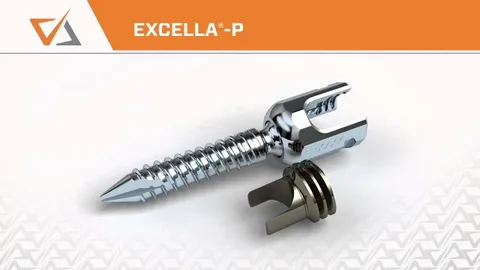
- Metal screws and rods that help hold the spine in place
- Cages and spacers that sit between bones so they heal in a better position
- Plates, connectors, and tools that surgeons use to line everything up
If you picture a damaged spine like a wobbly tower of blocks, these parts act like brackets and supports. They help keep everything steady while the bones heal.
People with serious back or neck problems, such as herniated discs, spinal fractures, or spinal deformity, may need this kind of hardware. For many patients, these devices can reduce pain and improve movement. Hospitals buy the implants, then bill insurance programs such as Medicare, Medicaid, or private plans.
What DOJ means in health care: why the Department of Justice investigates companies
The U.S. Department of Justice (DOJ) is the main federal law enforcement agency. In health care, it often steps in when there are claims that someone cheated the government.
The DOJ focuses on a few common problems:
- Fraud or false claims: Billing Medicare or Medicaid for things that were not needed, not done, or not allowed.
- Kickbacks: Paying or rewarding doctors or hospitals to push certain products or services. Federal law bans this because it can skew medical judgment.
- Improper marketing: Promoting products for uses that regulators have not cleared.
When the DOJ looks at a company like Innovasis, it is often asking, “Did money or marketing pressure influence what was billed to Medicare or other programs?” The focus is on behavior, contracts, and payments, not on every single device on the shelf.
A DOJ case can lead to a civil settlement, where a company pays money to resolve the claims, sometimes without admitting that it broke the law.
The Innovasis DOJ case: key facts, claims, and what they could mean for patients
The Innovasis DOJ matter grew out of allegations that the company tried to boost sales by giving financial benefits to surgeons who used its spine implants in surgeries paid by federal programs.
Main allegations and legal issues in the Innovasis DOJ investigation
According to public DOJ statements, the government claimed that Innovasis:
- Gave some surgeons ownership interests in the company or related benefits
- Offered travel, entertainment, or other perks tied to product use
- Did this, at least in part, to get those surgeons to use Innovasis devices in surgeries billed to Medicare and other federal plans
The DOJ said these actions violated the Anti-Kickback Statute, a federal law that bans paying for referrals. When a company breaks that law, any bills sent to federal programs can be treated as “false claims” under the False Claims Act.
The government argued that if doctors receive special payments from a device maker, they may be more likely to choose that company’s products, even when other options are available. That can increase costs for taxpayers and raise questions about whether choices were based on patient needs or financial ties.
Innovasis and government lawyers eventually reached a multi-million-dollar settlement to resolve the case. In press releases, the DOJ explained that Innovasis agreed to pay money to settle the civil allegations. As in many health care settlements, the company did not admit legal wrongdoing.
This kind of resolution is common. Companies often settle to avoid the time, cost, and uncertainty of a trial, even when they disagree with some of the claims made by the government.
How a DOJ case can affect patients, surgeons, and hospitals in everyday life
A case like the Innovasis DOJ matter can sound scary, especially if you or a loved one had spine surgery that used one of the company’s devices. It is important to separate two ideas.
First, the DOJ focused on how devices were promoted and paid for, not on claiming that every Innovasis product fails or is unsafe. Product safety is handled through other regulators, such as the Food and Drug Administration (FDA), and through hospital quality systems.
Second, the case still has real-world impact. After these investigations:
- Hospitals may review contracts, policies, and disclosure rules for doctors.
- Surgeons might face tighter rules on consulting work, stock ownership, and travel paid by companies.
- Documentation around device choices often gets stricter, with more notes about why a product was picked.
For patients, the biggest effect is often invisible. Behind the scenes, there is more talk about ethics, value, and transparency. You may see updated consent forms or new questions on patient paperwork about conflicts of interest.
If you see “Innovasis DOJ” in the news: how to protect yourself as a patient or caregiver
You do not need a law degree to respond in a smart way when you see this story. You just need some clear questions and a steady approach.
Smart questions to ask your surgeon about Innovasis spine implants and other devices
If your doctor recommends a spine implant, it is ok to ask direct questions. Many surgeons welcome this because it shows you care and want to understand your care plan.
You might ask:
- “Why are you recommending this particular device for me?”
- “What other brands or options exist, and how do they compare?”
- “What are the main risks and benefits of this implant?”
- “Do you have any financial relationship with the company that makes this device, such as consulting, teaching, or stock?”
- “Has this device been reviewed or cleared by the FDA for my type of surgery?”
You can also add, “I saw some news about Innovasis and the DOJ. Is that related to the device you plan to use for me?” Then let your surgeon explain.
These questions are not an attack. They are a way to build trust and make sure the plan fits your goals, values, and comfort level.
How to read Innovasis DOJ headlines without fear and find trustworthy information
News about health care cases often uses strong language to grab attention. Before you panic or cancel surgery, slow down and check the source.
Here is a simple approach:
- Look for official DOJ press releases or court filings. These outline the actual claims and settlement terms.
- Read reports from large, established news outlets, not random social media posts.
- See if your hospital or health system has posted a statement or FAQ. Many do this after high-profile cases.
Then, bring what you read to your doctor. Ask, “How does this apply to my situation?” Let them put the headlines in context for your case, your body, and your health history.
Keep in mind that medical devices, including Innovasis products, go through regulatory review before broad use. Problems in how a company sells or promotes a device do not automatically mean the device itself is unsafe for every patient.
The healthy middle ground is simple: stay informed, but do not jump to conclusions based on a single headline.
Conclusion
The Innovasis DOJ case sits at the crossroads of medicine, money, and trust. Innovasis is a spine implant company whose products help surgeons repair damaged backs and necks. The DOJ stepped in because of concerns about how those products were promoted and how federal health programs were billed.
Cases like this matter because they shine a light on honesty and transparency in health care. They push companies, hospitals, and doctors to be clearer about payments, contracts, and conflicts of interest.
As a patient or caregiver, your best tools are questions, good information, and a steady voice. Read reliable sources, talk with your care team, and ask about any connection between a device company and your treatment. When you do that, you are not just reacting to news, you are taking an active role in your own care.

Related Posts