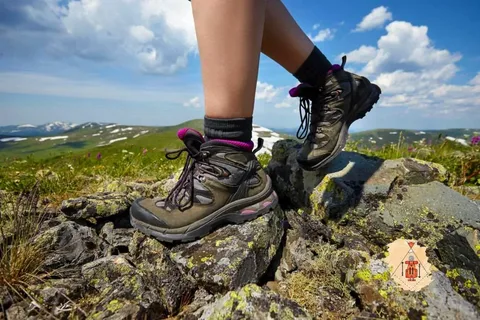
Your feet carry you through every step of a hike. Pick the wrong hike footwear, and you risk blisters, twists, or worse. Good shoes boost comfort, cut down injuries, and amp up your performance on the trail. This guide breaks down the choices so you can find the right pair without the guesswork. We’ll cover options for light trails and tough backpacking trips. By the end, you’ll know how to match shoes to your needs.
Understanding the Core Categories of Hike Footwear
Hike footwear comes in a few main types. Each balances support, weight, and waterproofing in its own way. Knowing these helps you pick what fits your hikes best.
Hiking Boots: Maximum Support for Heavy Loads
Heavy-duty hiking boots rise high above the ankle. They offer strong support to keep your feet steady under big packs. The stiff sole guards against rocks and roots.
These boots shine on multi-day backpacking trips or off-trail scrambles. Think steep slopes where you need extra stability. They handle rough ground well but weigh more than lighter options.
Ankle support for backpacking keeps you safe from rolls. If you carry over 30 pounds, these boots prevent strain. Many hikers swear by them for long hauls.
Trail Runners: Speed, Agility, and Minimalist Comfort
Trail runners have taken off in the last decade. They feel like cushy sneakers but work on dirt paths. Low weight lets you move fast with less effort.
These lightweight trail shoes give great ground feel. You sense every rock and root, which sharpens your steps. Breathable tops keep feet cool on hot days.
But they falter with heavy loads or jagged rocks. For fastpacking or quick day hikes, they’re top picks. Just skip them on trips with big packs.
Hiking Shoes (Mid-Cut): The Versatile Middle Ground
Hiking shoes sit between boots and runners. They cut low or mid-height for some ankle protection without bulk. This makes them great for all-day comfort.
You get flexibility for easy strides on groomed trails. They’re lighter than full boots yet tougher than plain sneakers. Day hikes on mixed paths suit them perfect.
These hybrids handle moderate loads without dragging you down. If you want one pair for most outings, start here.
Anatomy of Performance: Key Components to Inspect
Shoe parts matter a lot for how they hold up. Look at the outsole, midsole, and upper. Each plays a role in grip, cushion, and shield.
Outsole Technology: Grip and Lug Patterns
The outsole touches the ground first. Rubber like Vibram grips wet rocks or loose dirt. Lug patterns—those rubber bumps—push into mud or snow.
Deep lugs, say 4-5 mm, bite into soft soil. Shallower ones work on dry trails. For slippery terrain, choose aggressive edges that angle back.
Outsole lug depth affects traction. Studies show good rubber lasts 300 to 500 miles before it smooths out. Pick hiking boot rubber compounds that match your paths. A sticky mix clings better to slick stones.
Midsole Materials: Cushioning vs. Stability
The midsole sits under your foot. It absorbs shocks and adds bounce. EVA foam feels soft and light for quick runs. Polyurethane stays firm and tough for heavy use.
Stiffer midsoles support big packs. They stop your foot from twisting under weight. Softer ones let you flex on flat walks.
Try the twist test: Hold the shoe and bend it. If it folds easy, it’s for light loads. Rigid ones suit backpacking. This simple check shows if it fits your style.
Uppers and Waterproofing: Breathability vs. Protection
Uppers wrap your foot. Synthetic ones dry fast and weigh little. Leather—split or full-grain—lasts longer but needs care.
Waterproof layers like Gore-Tex block rain yet let sweat out. But in heat, they trap moisture and cause blisters. eVent works similar but breathes more.
A thru-hiker in dry deserts might skip waterproofing for crossings. In the wet Pacific Northwest, full protection saves soggy feet. Balance breathability with your weather.
Matching Footwear to Your Hiking Style and Environment
Your hikes shape your shoe choice. Link features to trails, packs, and weather. This match turns good gear into great.
Terrain Assessment: Trail Difficulty and Required Protection
Trails vary a ton. Smooth dirt paths let you use trail runners. They zip along without extra bulk.
Rocky trails demand sturdy boots with rock plates. These metal shields stop sharp stones from poking through. For scree—loose gravel—deep lugs and stiff soles keep you planted.
Best shoes for slippery terrain have wide, angled lugs. Mud sucks at smooth bottoms, so pick aggressive patterns. Footwear for rocky trails needs tough outsoles to last.
Here’s a quick guide:
- Easy trails: Trail runners or low-cut shoes.
- Moderate paths: Mid-cut hiking shoes.
- Rough spots: High boots with guards.
Pack Weight Dictates Support Needs
Your bag’s heft changes everything. Light daypacks under 15 pounds pair with flexible runners. You move free without strain.
Weekend trips at 15 to 30 pounds call for mid-cut shoes. They add some stiffness for balance. Over 30 pounds? Go heavy-duty boots.
Higher weight means more ankle support for backpacking. Stiff midsoles spread the load. Don’t skimp here, or your feet pay the price.
Climate Considerations: Heat, Cold, and Water Management
Hot, dry spots need open mesh for air flow. Feet stay cool and dry. Waterproof hike footwear traps heat in summer—avoid it.
Cold or rainy zones want insulation and seals. Gore-Tex boots keep snow out on winter treks. But layer socks for warmth.
Persistent wet calls for full protection. Yet in humid heat, breathable non-waterproof wins. Test in your local weather to see what works.
The Crucial Process of Sizing and Fitting Hike Footwear
Fit makes or breaks a hike. Wrong size leads to pain fast. Get this right, and miles feel easy.
When and How to Try On Boots
Shop late in the day. Feet swell from walking, so sizes run true then. Wear your hiking socks and inserts.
Stand and walk in them. Feel for rubs or gaps. Many stores have ramps—use one to mimic hills.
On inclines, check heel slip. Your heel should lock in without sliding. Toes need space—about a thumb’s width—from the front. This stops banging on downhills.
Understanding Volume and Width
Length alone won’t cut it. Volume is how much room your foot has up top. High arches need more; low ones less.
Width matters too. Narrow feet fit slim brands; wide ones need room to spread. Hotspots come from tight squeezes.
Brands vary—some run snug, others boxy. Try a few pairs. Lace up tight at the top, looser below for natural swell.
The Break-In Period: Minimizing Post-Hike Pain
New shoes feel stiff at first. Break them in slow to avoid sores. Start with short home walks.
Wear them daily for a week. Add weight like a light pack next. Then hit local trails for 2-3 miles.
Phased steps work best:
- Indoor strolls, no load.
- Neighborhood paths with socks.
- Short hikes, building distance.
This softens leather and molds the fit. Soon, they’re ready for big adventures.
Conclusion: Final Steps to Footwear Confidence
Choosing hike footwear boils down to balance. Weigh support against weight, and match to your trails and weather. No one shoe rules all, but the right one empowers you.
Key points to remember: Test fits late when feet puff up. Pair stiffness to your pack’s load. Invest in solid outsoles for grip that lasts.
With these tips, step out strong. Your perfect pair waits—grab it and hit the trails. You’ll conquer any path with feet that feel great.

Related Posts