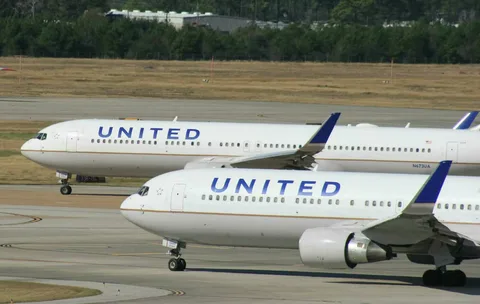
United Airlines has made a significant change to its route map, announcing the suspension of its flights to Cuba. This decision marks a notable shift in air travel between the United States and the island nation, impacting travelers and the aviation landscape. This post breaks down the reasons behind the suspension, its effect on passengers, and what it means for future travel to Cuba.
Why Did United Airlines Suspend Cuba Flights?
The core reason for the suspension is not a lack of demand, but rather the operational complexities involved in servicing the route. United Airlines has indicated that maintaining service to José Martí International Airport (HAV) in Havana has become too challenging.
Specifically, the airline highlighted the difficulties in securing local services necessary for smooth ground operations in Havana. These include challenges related to catering, passenger processing, and ground handling. After a temporary suspension in 2022 due to local service vendor issues, United resumed flights, hoping for improvements. However, the operational environment did not stabilize as anticipated, leading the airline to conclude that a consistent, reliable service was not sustainable under the current conditions.
This move is a logistical decision rather than a political one. While U.S.-Cuba relations have historically influenced air travel, United’s official statements have focused entirely on the practical difficulties of operating on the ground in Havana.
Impact on Travelers and Affected Passengers
The suspension directly affects individuals who had planned to fly with United to Cuba. Passengers with existing bookings are the most immediately impacted.
If you have a ticket for a now-canceled flight, here is what you can generally expect:
- Refunds: United Airlines will offer full refunds to passengers whose flights have been canceled. You should be able to request a refund directly through the airline’s website or by contacting customer service.
- Rebooking: Rebooking on another United flight is not an option since the entire route is being eliminated. The airline will not be able to accommodate you on a partner airline for this specific route.
It is crucial for affected passengers to proactively contact United Airlines or check their booking status online to understand their specific options and initiate the refund process.
Broader Implications for Travel to Cuba
United’s departure from the Havana market reduces the number of direct flight options from the U.S. to Cuba. While other carriers continue to operate flights, this change could lead to fewer available seats and potentially higher fares due to decreased competition.
Travelers will need to rely on other airlines that maintain service to Cuba, such as:
- American Airlines: Operates a significant number of flights to Havana and other Cuban cities from Miami.
- JetBlue: Offers service to Havana from Fort Lauderdale and New York.
- Southwest Airlines: Flies to Havana from Fort Lauderdale and Tampa.
These carriers will now absorb the demand previously met by United. For travelers, this means planning ahead and booking flights well in advance will be more important than ever.
What’s Next?
United Airlines has expressed that it intends to retain its rights to the route, leaving the door open for a potential return if and when the operational environment in Havana improves. The airline has stated its commitment to returning to Cuba once it is viable to do so without the significant operational hurdles it currently faces.
For now, travelers planning trips to Cuba should adjust their plans accordingly, exploring alternative carriers and staying informed about the requirements for U.S. citizens traveling to the island. While one major airline has stepped back, the connection between the U.S. and Cuba remains open through other established airlines.

Related Posts