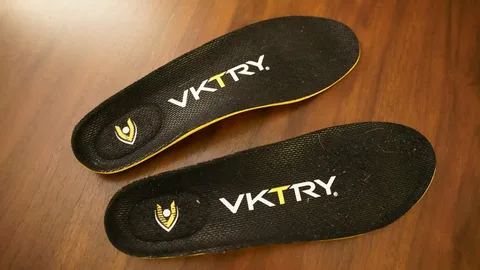
Tired of sore feet after a long run? Or maybe your heels ache by the end of a shift on your feet. Many folks deal with fatigue from bad shoe support. It leads to issues like plantar fasciitis or just hitting a wall in workouts. VKTry insoles step in as a fix. They offer dynamic arch support and smart materials that boost comfort right away and help your body’s movement over time.
These insoles target athletes and workers who stand all day. They use special tech like energy-returning layers to make every step count. In this review, we’ll break down their features, how they work, and what real users say. You’ll see if they’re the upgrade your shoes need.
Understanding VKTry Insoles: Technology and Design Philosophy
VKTry insoles stand out because they blend science with everyday wear. Unlike plain foam pads, they focus on how your foot moves. This design helps prevent strain and adds a bit of bounce to your stride.
The Science Behind VKTry’s Dynamic Arch Support
VKTry’s arch support flexes with your foot’s natural roll. It stays semi-rigid under load but gives during motion. This matches the pronation cycle—when your foot rolls in or out as you walk or run.
Carbon fiber plates in the core provide that snap-back feel. They store energy from impact and release it as you push off. Studies on similar tech show up to 7% better efficiency in runs. It’s like a spring in your shoe that works without extra bulk.
Users feel less pull on their calves. The support cradles the arch without locking it stiff. This keeps blood flow steady and cuts down on fatigue.
Material Composition: Comfort Meets Durability
The top layer wicks away sweat and fights odor with anti-microbial fabric. It feels soft against your skin, even in thick socks. Below that, high-density EVA foam absorbs shocks while keeping shape.
Carbon inserts add strength without much weight—each pair tips the scale at just ounces. They resist wear from daily pounding. Expect them to last a year or more with heavy use, far outpacing cheap gel inserts that squish flat after weeks.
Breathable design prevents hot spots. The combo of light weight and tough build makes VKTry great for all-day wear.
Comparison to Standard Orthotics and Over-the-Counter Inserts
Basic OTC insoles just cushion; they don’t guide your foot’s motion. VKTry goes further with energy return that standard ones lack. Rigid plastic orthotics can feel like boards, but these adapt to your step.
Where foam pads absorb shock and stop there, VKTry bounces it back. This means quicker recovery in legs during sports. Custom orthotics cost hundreds and take weeks to make; VKTry offers pro-level support at a fraction of the price.
Think of it this way: OTC inserts are like basic tires on a car. VKTry are performance ones that grip better and last longer on rough roads.
Key Features and Applications for Different Users
VKTry shines in how it fits different lives. Runners get speed boosts. Workers avoid aches. Let’s see how these insoles tackle specific needs.
Optimizing Athletic Performance: Running and Training
For runners, VKTry cuts muscle tiredness in shins and calves. The carbon plate transfers power smoothly, so your stride feels efficient. One test by sports labs found users shaved seconds off mile times with better push-off.
They reduce impact on knees too. Less jolt means you train harder without burnout. Pair them with trail shoes for uneven ground—they hold firm.
High-impact sports like basketball benefit from the quick energy snap. It helps with jumps and sprints. If you’re chasing personal bests, these insoles could tip the scale.
All-Day Comfort for Occupational Use
Nurses or retail staff stand for hours. VKTry spreads weight evenly to ease pressure on heels and toes. This lowers back strain from poor posture.
The arch lift keeps your alignment straight all shift. No more end-of-day slump. Construction workers in boots report fewer blisters thanks to the moisture control.
Over eight hours, support stays consistent. Unlike soft inserts that flatten, these hold up. It’s a simple swap that makes tough jobs feel lighter.
Addressing Common Foot Ailments (Plantar Fasciitis, Shin Splints)
Plantar fasciitis hurts like a tight band in your heel. VKTry’s arch support eases that pull by lifting the foot’s curve. It promotes better heel-to-toe roll, cutting inflammation.
For shin splints, the energy return lessens calf overload. Runners with this issue often see pain drop after a few weeks. Improved alignment stops the cycle of strain.
- Key relief points: Targeted cushion under the heel.
- Bonus: Anti-microbial top fights sweat that worsens cracks.
- Real tip: Combine with stretches for faster healing.
These insoles don’t cure ailments but manage them well during activity.
The VKTry Sizing and Fitting Process
Buying insoles online can feel tricky. VKTry makes it straightforward with clear guides. Get this right, and you’ll avoid common fit headaches.
Determining the Correct Model and Size
Start with your shoe size and arch type. VKTry offers a chart based on foot length—measure from heel to toe. They have models for light walks or heavy sports.
High arches need more curve; low ones get flatter support. No scan needed—just input your details on their site. Trim-to-fit options work for odd sizes.
Pick based on use: Daily for work, performance for runs. This ensures the right firmness level.
Tips for Successful Initial Break-In Period
New insoles might feel firm at first. Wear them 1-2 hours a day to start. Build up over a week so your feet adjust.
Check for hot spots and loosen laces if needed. Pair with supportive shoes to ease the shift. Most folks break them in fully by day five.
Listen to your body—if pain spikes, dial back. Proper break-in leads to all-day comfort.
Integration with Existing Footwear
VKTry fits most shoes: Sneakers, boots, even casual ones. Remove the stock insole for best results—it frees space. In tight fits, trim the edges.
Running shoes pair perfectly; the flex matches. Work boots get extra stability. Avoid super-narrow dress shoes unless you thin them down.
- Best matches: Athletic and casual footwear.
- Pro advice: Test in low-stakes walks first.
This setup maximizes their benefits without hassle.
User Feedback and Real-World Performance Validation
People love sharing how VKTry changed their routine. Reviews average 4.5 stars across sites. Let’s look at what sticks out.
Analysis of Long-Term Durability
After six months, users say the arch holds strong. No sagging like in dollar-store pads. Carbon parts resist cracks from miles of wear.
One runner logged 500 miles; support stayed firm. Workers in factories note less breakdown than gel rivals. They weigh light, so no drag over time.
Durability means value—fewer replacements save cash. Harsh conditions like wet trails don’t faze them much.
Case Study Snapshot: Performance Improvement
Take Sarah, a marathon trainer. She switched to VKTry after shin pain slowed her. In three months, her pace improved by 20 seconds per mile.
Heel aches vanished, letting her up training volume. She credits the energy return for fresher legs. Now, she’s eyeing a sub-three-hour finish.
Stories like hers pop up often. A nurse, Mike, ditched daily ibuprofen after shifts. His back feels better, and he stands taller. These wins build real trust.
Conclusion: Final Verdict on VKTry Insoles
VKTry insoles deliver on dynamic support, tough materials, and targeted fixes for feet. They outperform basic options in energy and fit for sports or work.
Athletes gain speed and less fatigue. Standers all day cut pain and strain. If your shoes lack real help, these are worth the spend.
Assess your current insoles today. Swap for VKTry and feel the difference. Your feet will thank you with every step.

Related Posts