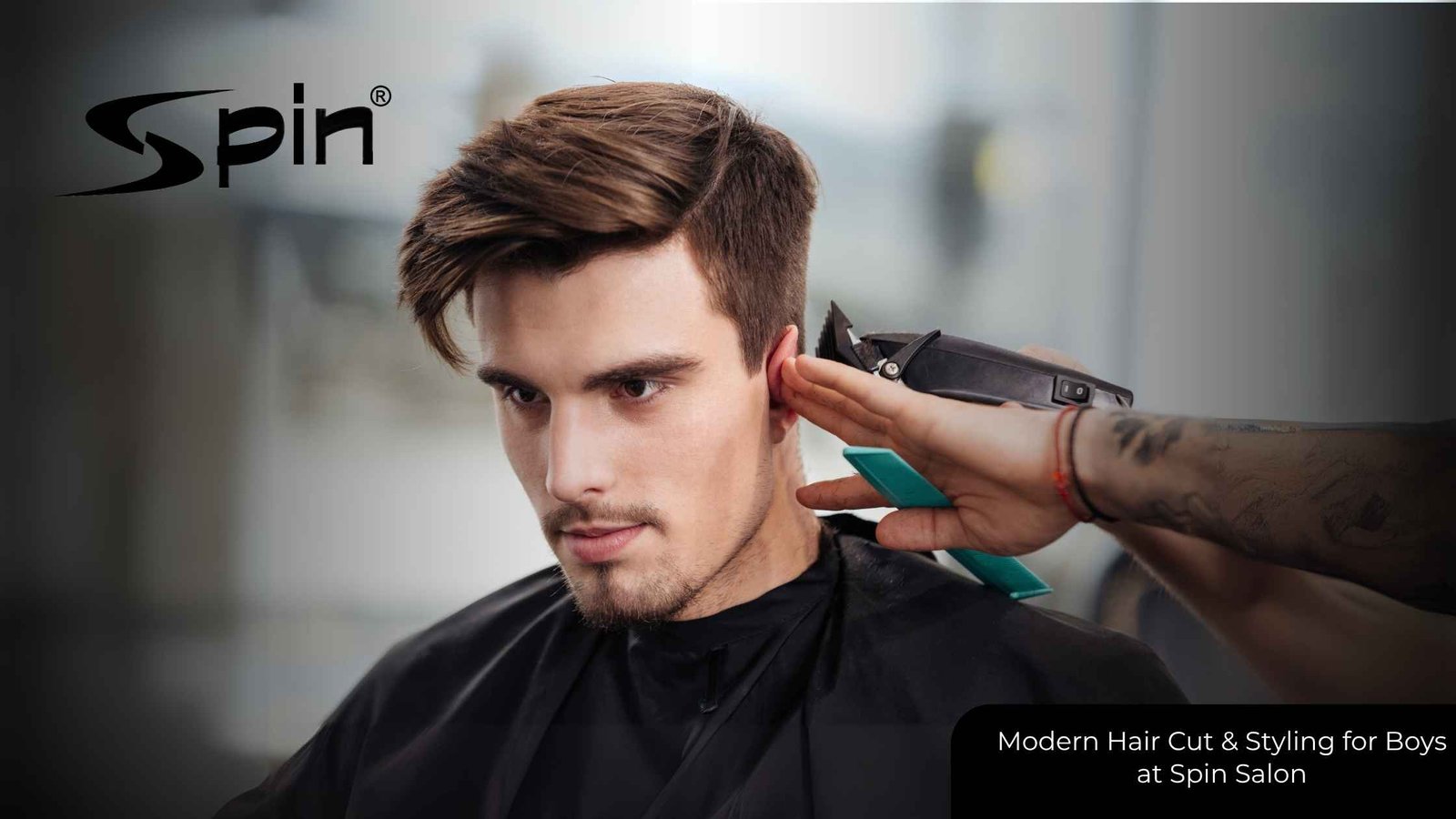
A trip to the salon is about more than just trimming split ends. A fresh haircut is a powerful way to express who you are and boost your confidence. It can change how you feel when you look in the mirror every morning. Navigating the world of styles can feel tricky with so many trends changing every season. This guide will help you choose a look that suits your features, fits your lifestyle, and makes you feel great.
Whether you want a total change or just a simple update, knowing the basics makes a big difference. We will cover how to assess your face shape, hair type, and daily routine. You will also learn how to talk to your stylist so you leave the chair happy. Get ready to find the cut that makes you shine.
Understanding Your Face Shape
Your face shape is the foundation for your style. Identifying it helps you pick a cut that highlights your best features.
Oval Face Shape
An oval face has balanced proportions. The cheekbones are usually slightly wider than the jawline, and the face is longer than it is wide. This shape is very versatile. Almost any look works well here. Bobs, lobs, long layers, and side-swept bangs are great choices. To keep your look balanced, avoid styles that add too much height on top. This can make your face appear longer than you want.
Round Face Shape
A round face has soft, curved lines. The width and length of the face are similar. You want a cut that adds definition and creates the illusion of length. Long layers are perfect for this. An asymmetrical bob can also draw the eye downward and elongate your features. Avoid blunt, chin-length bobs or heavy, straight-across bangs. These can make your face look even rounder.
Square Face Shape
A square face has a strong jawline. The forehead, cheekbones, and jaw are often similar in width. The goal here is to soften those sharp angles. Layered cuts are your best friend. Soft waves and side-swept bangs help break up the straight lines. Use texture and movement to create a softer silhouette around your face.
Heart Face Shape
A heart-shaped face is wide at the forehead and cheekbones but narrows down to a point at the chin. You want to add width around the jawline to balance this out. Chin-length bobs and shoulder-length cuts with layers work wonders. Side-swept bangs also help draw attention to your eyes rather than your chin. These styles fill out the narrower area and create a harmonious look.
Assessing Your Hair Type and Texture
Your hair type plays a major role in how a style sits. A cut that looks good on one person might behave differently on you.
Fine Hair
Fine hair refers to the width of the individual strands. If your hair is fine, you likely want more volume. Blunt cuts are excellent for making fine hair look thicker. Bobs are also a great choice. They remove weight from the ends and make the hair appear fuller. One stylist trick is to keep the ends blunt, as wispy ends can make fine hair look stringy.
Thick Hair
Thick hair refers to the density of your strands. You have a lot of hair on your head. The goal is to manage the weight so your hair does not look like a pyramid. Thinning shears or strategic layers can take out bulk without losing the shape. Long layers are perfect for thick hair. They allow your hair to move naturally and look healthy. Textured cuts also help break up the thickness and add style.
Wavy Hair
Wavy hair usually forms an S-shape. It has a natural texture that looks great when enhanced. Layered cuts help the waves form and prevent the hair from becoming too puffy. Shags and longer styles let your natural wave pattern shine. To keep your waves looking their best, use light products. This keeps them defined without adding heavy weight that pulls the curl flat.
Curly Hair
Curly hair is unique and needs special care. The shape of the curl dictates the cut. Dry cutting is often best for curls. This allows the stylist to see how the curl sits without water stretching it out. Cuts like the Deva Cut or Ouidad Cut focus on individual curl patterns. Moisture is the key to healthy, defined curls. Use products that hydrate your hair to keep it bouncy and frizz-free.
Considering Your Lifestyle and Maintenance
A great style should fit into your daily life, not fight against it. Be honest about how much time you have for styling each morning.
Low-Maintenance Lifestyles
If you are busy or prefer a “wash-and-go” approach, you need a cut that does the work for you. Pixies, bobs, and long layers are top choices. They look good with little to no styling. Ask your stylist how much time you really have to spend on your hair. A low-maintenance cut means you can sleep in longer and still look put together.
High-Maintenance Lifestyles
If you enjoy spending time on your hair, you have more options. You can choose styles that need regular heat styling or product work. Lobs and medium-length cuts with layers are very versatile. You can wear them straight, curled, or in a bun. These cuts let you play with trends and use your styling tools to change your look daily.
Professional and Formal Settings
Some jobs or social circles require a polished look. Sleek bobs and well-maintained layers show you care about your appearance. Short cuts can also look very sharp and professional. The key is to keep the lines clean and the hair healthy. A well-trimmed style sends a message of confidence and reliability.
Casual and Creative Settings
In relaxed or artistic environments, you can be more expressive. Think of bold colors, shaggy layers, or avant-garde cuts. These styles show your personality. Musicians and artists often use their hair to stand out. If your workplace is creative, talk to your stylist about adding texture or fun shapes that fit your vibe.
Communicating with Your Hair Stylist
Talking to your stylist is the most important step in the process. They are the expert, but they need to know what you want.
Preparation is Key
Do your homework before your appointment. Save photos from Instagram, Pinterest, or magazines that show the look you want. Having a visual aid prevents confusion. Learn a few keywords like “layers,” “blunt cut,” or “face-framing.” This helps you explain what you like about a specific picture.
The Consultation Process
A good stylist will always start with a chat. They will look at your hair type and face shape. Be honest about your lifestyle. If you tell them you only wash your hair twice a week, they need to know. Ask questions like: “Will this suit my face shape?” or “How much styling does this need daily?” Their answers will help you decide if the cut is right for you.
Setting Realistic Expectations
Not every style works for every hair type. If you have thin, straight hair, a tight, curly afro might not be possible without serious daily styling. Be open to your stylist’s professional advice. They might suggest a modification that achieves the same look while working with your natural texture. A good stylist wants you to love your hair as much as you do.
Trending Haircuts and Styles
Trends come and go, but some styles stay popular because they are flattering and easy to wear.
Modern Bobs and Lobs
The bob never goes out of style. Today, you see many variations like the French bob, which is shorter and wavier. The butterfly lob is also very popular, featuring lots of layers that frame the face. These cuts are stylish and versatile. You can see many celebrities rocking these looks on the red carpet because they look fresh and chic.
Layered Styles
Layers add movement and life to any cut. Modern layers are soft and focus on framing the face. The “shag” has also made a comeback. This cut is all about texture and is great for people who want a fun, lived-in look. Layers can transform a heavy, one-length cut into something airy and modern.
Bangs and Fringe
Bangs are a simple way to change your look without cutting off all your hair. Curtain bangs remain very popular because they suit almost everyone. They are long, soft, and easy to grow out. You can also choose blunt bangs for a bold look or wispy bangs for something softer. Discuss with your stylist which fringe suits your forehead size and face shape.
Finding the perfect haircut is a journey that takes a little planning. When you know your face shape, understand your hair texture, and communicate clearly with your stylist, you are set up for success. Do not be afraid to try something new. The best hairstyle is the one that makes you feel like the best version of yourself. Your next great look is waiting for you at your next salon visit.

Related Posts